Introduction
Vaping has become a buzzword in recent years, particularly among youth and young adults. While it was initially marketed as a safer alternative to traditional smoking, emerging research has raised concerns about the long-term health implications of intensive vaping habits. One of the most alarming areas of concern is the potential for long-term respiratory damage linked to these habits. In this article, we’ll delve deep into how vaping affects lung health, what substances are inhaled through vape pens, and why understanding these risks is crucial for both individuals and society.
Long-Term Respiratory Damage Linked to Intensive Vaping Habits
When discussing long-term respiratory damage linked to intensive vaping habits, it's essential to grasp what vaping actually entails. Unlike traditional cigarettes that burn tobacco, e-cigarettes use a battery-powered heating element that vaporizes liquid containing nicotine, flavorings, and other chemicals. This seemingly harmless act can lead to severe consequences over time.
What Are the Chemicals in Vape Juice?
Vape juice—often referred to as e-liquid—contains various ingredients that can pose risks when inhaled. Some of the common chemicals found vape detector benefits in vape juice include:
- Nicotine: A highly addictive substance that can impair lung function. Propylene Glycol and Vegetable Glycerin: These are typically used as base liquids but can irritate airways when heated. Flavoring Agents: Many flavorings have not been tested for safety when inhaled. Formaldehyde: A known carcinogen that can be released at high temperatures.
These components combine to create an aerosol that users inhale deeply into their lungs. Over time, this can lead to chronic respiratory issues.
How Does Vaping Affect Lung Health?
Vaping's impact on lung health is multifaceted. Initially thought to be less harmful than smoking, research indicates that prolonged exposure leads to inflammation and damage within the respiratory system.
1. Inflammation: The Body's Response
When foreign substances enter the lungs through vaping, the body responds with inflammation. This response can result in chronic bronchitis-like symptoms such as:
- Persistent cough Mucus production Wheezing
Chronic inflammation may pave the way for more serious conditions like asthma or even chronic obstructive pulmonary disease (COPD).
2. Decreased Lung Function
A major concern surrounding intensive vaping practices is decreased lung function over time. Studies have shown that regular users experience impaired airflow—a condition often associated with traditional smoking.
3. Risk of Vaping-Related Illnesses
The emergence of EVALI (e-cigarette or vaping product use-associated lung injury) has brought awareness to the potential hazards of using vapes. Symptoms may include:
- Coughing Chest pain Shortness of breath
EVALI cases have led healthcare professionals to recognize severe outcomes from prolonged use.
Who Is Most at Risk?
Understanding who is most at risk for long-term respiratory damage linked to intensive vaping habits is essential in addressing this public health issue.
1. Adolescents and Young Adults
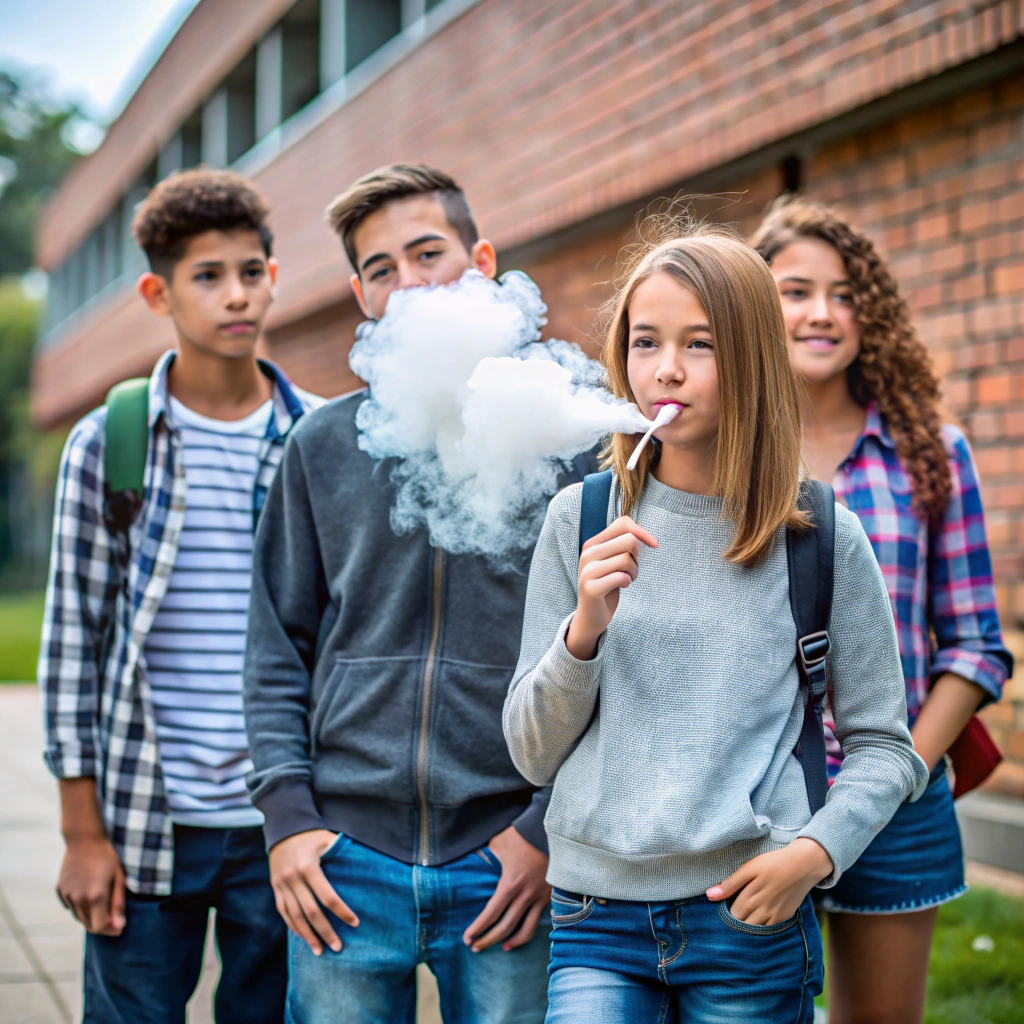
Surprisingly, many young people view vaping as a harmless activity due to its marketing as a “safer” alternative. However, their lungs are still developing, making them more susceptible to long-term damage.
2. Individuals with Pre-existing Conditions
People with asthma or other pre-existing respiratory conditions should exercise extreme caution when considering vaping as an alternative or cessation tool.
Is There a Safe Way to Vape?
While some believe there might be safe methods or products available on the market today, it’s essential to note that no vaping method is entirely devoid of risk. The safest option remains abstaining from all forms of smoking and vaping altogether.
Comparing Vaping and Traditional Smoking: What’s Worse?
1. Health Risks Associated with Cigarettes vs Vapes
While both traditional smoking and vaping carry significant health risks, some studies suggest that e-cigarettes may expose users to fewer toxic substances than combustible cigarettes—but that's not saying much considering both options have detrimental effects on health.
| Substance | Cigarettes | Vapes | |-----------|------------|-------| | Nicotine | Yes | Yes | | Tar | Yes | No | | Formaldehyde | Yes | Yes | | Heavy Metals | Yes | Yes |
Though vapes lack tar found in traditional cigarettes, they still introduce harmful chemicals into your system over time.
2. The Role of Additives in E-liquids
One key difference lies within the additives present in e-liquids compared to traditional cigarette components. Flavoring agents and other added substances in vape juice can significantly alter respiratory responses.
The Social Perception of Vaping: A False Sense of Security?
1. Marketing Tactics Targeting Youth
The social perception surrounding vaping has been shaped largely by targeted marketing campaigns aimed at younger audiences who might feel invincible against health risks associated with smoking alternatives.
2. Misconceptions About Safety
Many young people believe that because they are not smoking traditional cigarettes, they are somehow immune from harm—a dangerous misconception given the evidence pointing toward long-term respiratory damage linked to intensive vaping habits.
Identifying Symptoms of Long-Term Damage from Vaping
Awareness is half the battle when it comes to tackling long-term respiratory issues caused by intensive vaping habits. Here are some symptoms individuals vape detectors should be on the lookout for:
- Chronic cough Frequent shortness of breath during physical activity Unexplained fatigue
If you experience any combination of these symptoms after starting a vape habit, it's crucial to consult a healthcare professional immediately.
Can Quitting Help Restore Lung Health?
Absolutely! Research suggests quitting any form of nicotine consumption—including both traditional smoking and vaping—can help restore lung function over time:
1. Timeline for Recovery After Quitting Vaping
Quitting is not just about stopping; recovery follows a timeline:
| Time Period | Changes Observed | |-------------------------|-------------------------------------| | 20 Minutes | Heart rate begins to drop | | 12 Hours | Carbon monoxide levels return normal| | 2 Weeks - 3 Months | Improved circulation & lung function | | 1 Year | Risk for heart disease drops sharply|
This timeline shows how resilient our bodies can be once we stop exposing them to harmful substances through intensive habits such as vaping!
FAQs
What percentage of teens vape?
Approximately 19% of high school students reported using e-cigarettes within the past month according to recent surveys conducted by national health organizations.
Can you develop COPD from vaping?
While more research is needed regarding direct correlations between COPD development specifically related solely towards vaporizing activities—it’s important not dismiss its contribution towards chronic airway inflammation which ultimately leads towards various forms including COPD!
Are there regulations surrounding flavored e-liquids?
Yes! Various regions have started implementing bans on flavored e-liquids due their appeal primarily targeting youth demographic groups which raises significant public health concerns around usage rates amongst adolescents specifically!
How do I know if my lungs are damaged from vaping?
Any persistent cough accompanied by phlegm production or difficulty breathing should prompt immediate medical attention—a healthcare provider will conduct necessary tests (e.g., pulmonary function tests) accurately assess potential damages done!
What should I do if I want help quitting?
Consult your physician about cessation programs tailored specifically designed aid those wishing break free from nicotine dependency—options range behavioral therapy medications prescribed assisting transition away former habits effectively!
Is it ever too late to quit?
No! Even individuals who've been addicted longer than others may still see benefits restoring overall wellness improving quality life post-quitting regardless duration prior usage history previously established!
Conclusion
In summary, while many consider themselves relatively safe engaging regularly within activities involving vaporization—the reality starkly contrasts expectations held by those unaware underlying dangers lurking behind alluring flavors enticing aesthetic designs prevalent throughout industry offerings today! Long-term respiratory damage linked directly towards intensive vaping behaviors warrants serious consideration especially among vulnerable populations such adolescents already facing myriad challenges navigating modern societal landscapes rife complexities arising technological advancements reinventing ways connect communicate engage daily lives simultaneously impacting overall well-being negatively too often overlooked!
Ultimately knowledge empowers decisions made fostering healthier lifestyles ensuring brighter tomorrows free toxic burdens experienced commonly associated risky practices like tobacco consumption whether via classic methods contemporary alternatives alike! As awareness spreads we hope more individuals reconsider choices made moving forward prioritize wellness above all else nurturing better living conditions future generations deserve truly thrive amidst ongoing challenges ahead!